
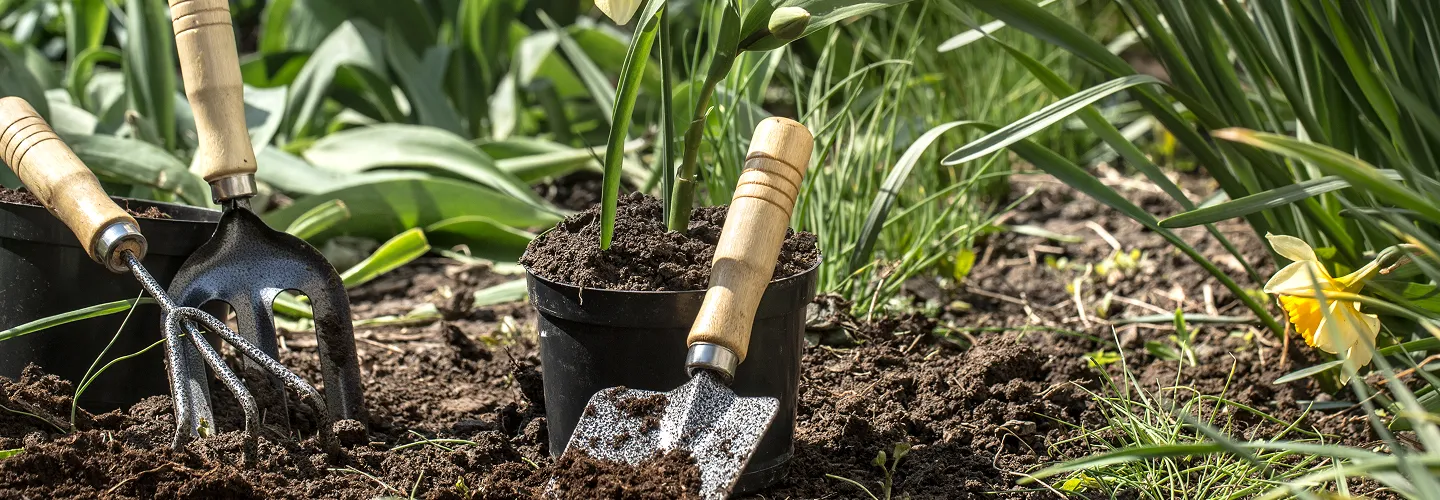
Barrington Hills Leaf Removal Services
Choose our expert leaf removal for a hassle-free, thorough cleanup that keeps your property looking pristine and protects your lawn’s health all season long.
Get a Free QuoteOur Barrington Hills Landscaping & Yard Care Services
When to Schedule Leaf Removal in Barrington Hills, IL – Seasonal Guide
In Barrington Hills, IL, the optimal time for leaf removal is typically from late October through early December, aligning with the region’s peak leaf drop and the first hard frosts. The area’s unique blend of mature oak, maple, and hickory trees—especially in neighborhoods near Spring Lake Preserve and along Bateman Road—means that leaf accumulation can be significant and persistent. Early removal helps prevent leaves from matting down and suffocating turf, while also reducing the risk of mold and pests that thrive in damp, shaded areas common to our local woodlands.
Local environmental factors play a crucial role in determining the best schedule for leaf removal. Barrington Hills experiences variable autumn rainfall and occasional early frosts, which can accelerate leaf drop and complicate cleanup. Properties with dense tree canopies, uneven terrain, or heavy shade—such as those bordering the Cook County Forest Preserve—may require more frequent attention. Additionally, the area’s clay-rich soils retain moisture, increasing the risk of turf disease if leaves are left too long. For up-to-date municipal guidelines and seasonal recommendations, residents can consult the Village of Barrington Hills Official Website.
Local Factors to Consider for Leaf Removal in Barrington Hills
- Tree species and density (oak, maple, hickory, and evergreens)
- Proximity to forest preserves and natural areas
- Terrain and slope, which affect leaf accumulation and runoff
- Autumn precipitation patterns and early frost dates
- Shade coverage and soil type (clay-rich soils retain moisture)
- Municipal restrictions or scheduled collection dates
Benefits of Leaf Removal in Barrington Hills

Enhanced Curb Appeal
Healthier Lawns
Prevents Pest Infestations
Reduces Mold and Fungus
Saves Time and Effort
Professional and Reliable Service
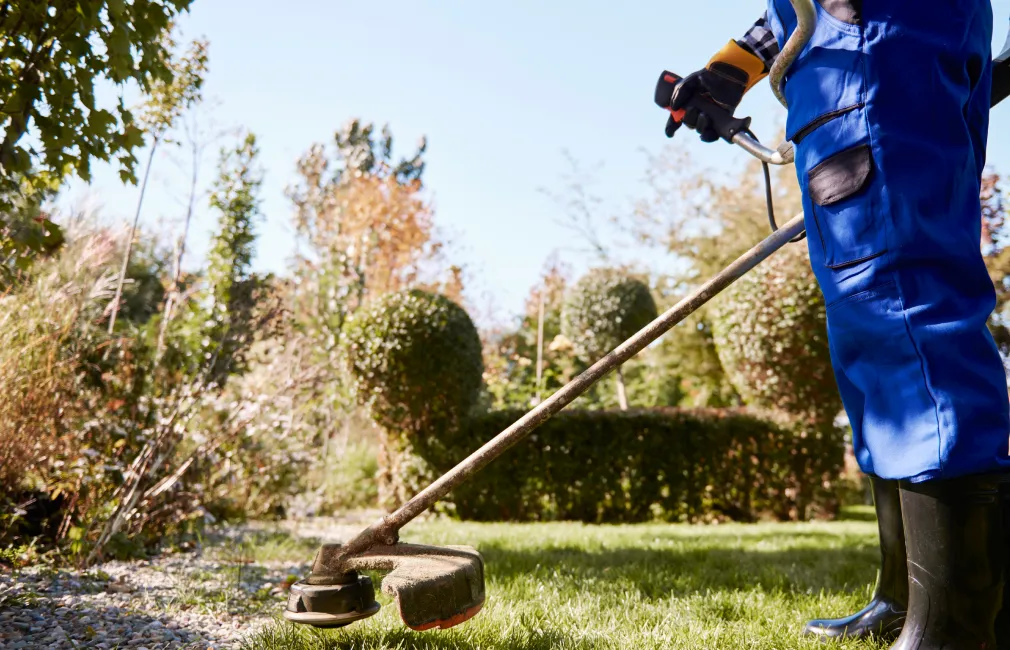
Barrington Hills Leaf Removal Types

Curbside Leaf Pickup
-
On-Site Leaf Mulching
-
Full Property Leaf Cleanup
-
Leaf Vacuuming Services
-
Seasonal Leaf Removal Packages
-
Gutter Leaf Clearing
-
Eco-Friendly Leaf Disposal
Our Leaf Removal Process
Site Evaluation
Debris Gathering
Leaf Collection
Final Cleanup
Why Choose Barrington Hills Landscape Services

-
Barrington Hills Homeowners Trust Us
-
Expert Lawn Maintenance
-
Reliable Seasonal Cleanup
-
Professional Team
-
Competitive Pricing
-
Sustainable Lawn Care
-
Personalized Service
Contact Barrington Hills's Department of Public Works for Seasonal Leaf Collection & Curbside Pickup Schedules
Barrington Hills residents benefit from a coordinated municipal leaf collection program, typically running from mid-October through early December to align with the region’s peak leaf drop. Collection days are neighborhood-specific, with most areas scheduled for weekly curbside pickup. Residents must place leaves in biodegradable paper yard waste bags, as required by the Illinois yard waste landfill ban, or follow loose leaf collection policies where available. Bags or piles should be set out by 7:00 AM on collection day, at least three feet from storm drains, fire hydrants, and parked vehicles. For bulk disposal, the Village provides access to a Transfer Station, which requires a permit and accepts leaves during posted operating hours. Brush and small branch collection is also available, with specific bundling requirements. For detailed schedules, permit information, and collection guidelines, contact:
Barrington Hills Public Works Department (via Village of Barrington)
400 N. Northwest Highway, Barrington, IL 60010
Phone: (847) 304-3316
Official Website: Barrington Hills Public Works Department
Understanding Leaf Accumulation Impact on Barrington Hills's Heavy Clay Prairie Soils & Lawn Health
Barrington Hills is characterized by heavy clay prairie soils, as identified by the USDA Web Soil Survey, which are prone to poor drainage and compaction. When leaves accumulate for more than two to three weeks, especially on these clay soils, turfgrass can quickly suffocate due to reduced air exchange and blocked sunlight. Anaerobic conditions develop rapidly, increasing the risk of fungal diseases and root rot. In compacted urban fill soils, damage can occur even faster. While leaves can be beneficial in naturalized garden beds, conservation buffers, and wooded or prairie restoration areas, maintained lawns require prompt removal to prevent turf loss. Mulch-mowing is effective only with light leaf coverage and well-draining soils; heavy accumulation or persistent shade necessitates full removal to protect lawn health.
Barrington Hills Environmental Compliance Guidelines for Leaf Disposal Near Protected Areas
Proper leaf disposal is essential for protecting Barrington Hills’s sensitive natural resources, including streams, wetlands, and conservation areas. Illinois regulations require buffer zones near water bodies, where natural leaf retention supports wildlife habitat and nutrient cycling. However, leaves must be removed from maintained lawns and areas adjacent to protected habitats to prevent nutrient runoff and habitat disruption. Residents should coordinate with the Illinois Department of Natural Resources for guidance on managing leaves near protected areas and to ensure compliance with local conservation easements. For questions about environmental compliance and buffer management, contact:
Barrington Hills Community Development/Environmental Services
112 Algonquin Road, Barrington Hills, IL 60010
Phone: (847) 551-3000
Official Website: Village of Barrington Hills Official Website
Keep Leaves Out of Streets & Storm Drains: Barrington Hills's NPDES Stormwater Compliance Requirements
Barrington Hills participates in the Illinois EPA’s MS4 program, which mandates strict stormwater management under the Clean Water Act and EPA NPDES requirements. Leaves left in streets, gutters, or near storm drains can wash into local waterways, such as the Fox River and Spring Creek, contributing to nutrient loading, oxygen depletion, and harmful algae blooms. Residents must keep leaves off hard surfaces and use proper curbside placement to prevent storm system contamination. The Village enforces these requirements to protect water quality and comply with state and federal regulations. For more information on stormwater compliance, contact:
Barrington Hills Public Works Department (via Village of Barrington)
400 N. Northwest Highway, Barrington, IL 60010
Phone: (847) 304-3316
Official Website: Barrington Hills Public Works Department
Barrington Hills's Implementation of Illinois Organic Waste Management Requirements for Fall Leaves
Illinois law prohibits the disposal of yard waste, including leaves, in landfills. Barrington Hills enforces this through its municipal collection program, requiring the use of biodegradable paper bags or designated loose leaf collection. Residents are educated on proper disposal methods, including composting and use of the Village Transfer Station. Setback requirements from property lines and water bodies are enforced to prevent runoff and ensure compliance with state and local ordinances. Composting is encouraged where feasible, and information on best practices is available from the University of Illinois Extension. For questions about organic waste management and local compliance, contact:
Barrington Hills Building Department
112 Algonquin Road, Barrington Hills, IL 60010
Phone: (847) 551-3003
Official Website: Barrington Hills Building Department
Optimal Leaf Removal Timing for Barrington Hills's Tree Species & Illinois Fall Weather Patterns
Barrington Hills’s tree canopy includes sugar maples, Norway maples, ash, oaks (red, white, bur), hickories, elms, honey locust, and American beech. Early-dropping species like maples and ash begin shedding in early October, while oaks and hickories follow through November, and bur oaks and beech may hold leaves into December. The National Weather Service Chicago provides up-to-date forecasts to help residents schedule removals after major drop events but before heavy rain or early snow, which can mat leaves and complicate collection. Multiple collection passes are recommended to accommodate staggered leaf fall and avoid lawn damage from prolonged coverage. Residents should monitor weather and tree drop patterns for optimal timing.
Post-Leaf Removal Lawn Recovery & Winter Preparation in Barrington Hills's Climate Zone
After leaf removal, residents should assess lawns for thin or damaged areas, especially where heavy leaf cover persisted. Late-season fertilization, applied at recommended rates for Illinois’s climate, supports root health and spring recovery. Overseeding may be possible if completed before the first hard frost. Final mowing should leave grass at 2.5 to 3 inches to protect crowns during winter. Debris clearance and drainage improvements are especially important on clay soils to prevent winterkill and compaction. Planning for early spring care, including soil testing and aeration, will help lawns recover from dormancy and any fall stress. For science-based lawn care guidance, consult the University of Illinois Extension Plant Clinic.
What Neighborhoods Do We Serve Throughout Barrington Hills, IL?
Barrington Hills encompasses diverse neighborhoods, each with unique leaf management challenges:
- Spring Creek Valley: Dense oak and hickory canopy, heavy clay soils, proximity to Spring Creek and conservation areas requiring strict NPDES compliance.
- Riding Club Estates: Mature estates with large lots, mixed maple and oak species, sloped terrain increasing leaf movement and collection complexity.
- Chapel Road Corridor: Urban fill soils with poor drainage, high maple and ash density, close to wetlands necessitating buffer management.
- Otis Road Area: Newer developments with parkway trees, moderate canopy, and improved drainage but smaller lot sizes affecting collection logistics.
- Brinker Road District: Historic area with mature elms and honey locust, variable topography, and wind exposure from open prairie.
- Haegers Bend: River-adjacent lots, floodplain soils, and high environmental sensitivity for leaf disposal.
- Bateman Road Vicinity: Adjacent to parkland and forest preserve, mixed species, and special collection needs due to public trail access.
Each area requires tailored collection strategies based on tree species, soil drainage, environmental proximity, and development patterns.
Barrington Hills Municipal Ordinances for Leaf Blowing Equipment Operation & Noise Control
Barrington Hills regulates the operation of leaf blowers and related equipment to minimize noise and environmental impact. Equipment may typically be operated between 7:00 AM and 7:00 PM on weekdays and 8:00 AM to 6:00 PM on Saturdays, with restrictions on Sundays and holidays. Commercial operators must comply with licensing requirements and observe all seasonal restrictions. Noise ordinances limit decibel levels, and equipment must not be used to blow leaves into streets or storm drains. Residents and contractors should review the latest Barrington Hills Village Ordinances for detailed regulations and ensure compliance with all local, state, and federal requirements. For ordinance questions, contact:
Barrington Hills Building Department
112 Algonquin Road, Barrington Hills, IL 60010
Phone: (847) 551-3003
Official Website: Barrington Hills Building Department
For additional information on environmental protection and compliance, residents may also consult:
- Illinois Environmental Protection Agency
- U.S. Environmental Protection Agency, Region 5
- Illinois Department of Natural Resources
- University of Illinois Extension
By following these guidelines and utilizing municipal resources, Barrington Hills residents can protect their lawns, comply with environmental regulations, and contribute to the ecological health of the community.