
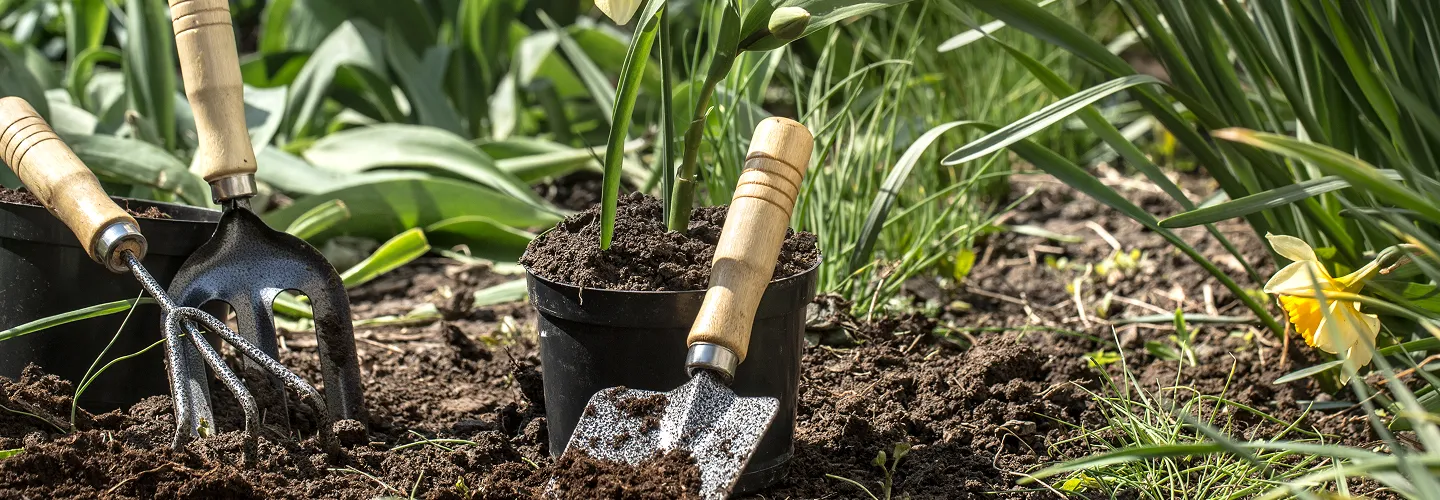
Barrington Hills Sod Installation Services
Choose our sod installation for a seamless, hassle-free transformation—enjoy a vibrant, healthy lawn instantly with professional service and premium quality sod tailored to your property.
Get a Free QuoteOur Barrington Hills Landscaping & Yard Care Services
When to Schedule Sod Installation in Barrington Hills, IL – Seasonal Guide
In Barrington Hills, IL, the best times to schedule sod installation are typically in late spring and early fall. These seasons offer moderate temperatures and consistent rainfall, which are ideal for establishing new sod. The local climate features cold winters with early frosts and warm, humid summers, so timing your installation to avoid extreme heat or the risk of frost is crucial for healthy root development. Neighborhoods near Spring Lake Preserve and along Bateman Road often experience microclimates due to dense tree coverage and varying terrain, which can influence soil moisture and sunlight exposure.
Before planning your sod project, consider Barrington Hills’ unique environmental factors such as well-drained soils, the prevalence of mature oak and hickory trees, and the potential for drought during mid-summer. Shaded lots in areas like the Riding Center may require sod varieties that tolerate lower light, while open properties near the Village Hall benefit from full-sun blends. Always check for any municipal guidelines or permit requirements by visiting the Village of Barrington Hills Official Website to ensure compliance with local ordinances and water use restrictions.
Local Factors to Consider for Sod Installation in Barrington Hills
- Proximity to mature woodlands and tree density (affecting shade and root competition)
- Soil type and drainage, especially in areas with clay or sandy soils
- Average precipitation and risk of summer drought
- Frost dates and risk of early or late cold snaps
- Terrain slope and potential for water runoff
- Municipal restrictions on watering or landscape changes
- Neighborhood-specific microclimates (e.g., near Spring Lake Preserve or Bateman Road)
Benefits of Sod Installation in Barrington Hills

Instant Green Lawn
Erosion Control
Weed Reduction
Professional Installation
Enhanced Curb Appeal
Locally Sourced Sod

Barrington Hills Sod Installation Types

Kentucky Bluegrass Sod
-
Fescue Sod
-
Zoysia Sod
-
Bermuda Grass Sod
-
Ryegrass Sod
-
Shade-Tolerant Sod
-
Drought-Resistant Sod
Our Sod Installation Process
Site Preparation
Soil Grading
Sod Delivery
Sod Laying
Watering and Rolling
Why Choose Barrington Hills Landscape Services

-
Barrington Hills Homeowners Trust Us
-
Expert Lawn Maintenance
-
Reliable Seasonal Cleanup
-
Professional Team
-
Competitive Pricing
-
Sustainable Lawn Care
-
Personalized Service
Contact Barrington Hills's Department of Public Works for Existing Turf Disposal & Installation Material Management
Proper sod installation in Barrington Hills requires careful coordination with municipal waste and material management programs. Existing turf and organic debris must be disposed of through seasonal yard waste collection, using biodegradable paper bags only. Bulk soil disposal and importation are managed via approved composting facilities or transfer sites, often requiring permits and adherence to specific operating hours and fee structures. Material procurement, such as screened loam (pH 6.0-7.0, 3-5% organic matter, pathogen-free), must be scheduled in compliance with municipal traffic regulations and right-of-way permits. For large projects, equipment staging permits and advance neighbor notification are essential, along with infrastructure protection during material delivery.
Barrington Hills Public Works Department (via Village of Barrington)
400 N. Northwest Highway, Barrington, IL 60010
Phone: (847) 304-3316
Official Website: Barrington Hills Public Works Department
Barrington Hills Building Department Requirements for Grading Permits & Site Plan Approvals
Sod installation projects in Barrington Hills that involve significant grading (typically 50-100 cubic yards of cut/fill or grade changes exceeding 2 feet) require a grading permit from the Building Department. Site plan submissions must include existing and proposed contours at 2-foot intervals, with detailed drainage calculations and engineering review for any modifications. Zoning compliance is mandatory, including setback maintenance, slope restrictions (maximum 33%), and impervious surface limits. Inspections are scheduled during and after construction, with required documentation such as as-built surveys and compaction test results. Advance consultation with the Building Department is recommended to ensure all regulatory requirements are met.
Barrington Hills Building Department
112 Algonquin Road, Barrington Hills, IL 60010
Phone: (847) 551-3003
Official Website: Barrington Hills Building Department
Professional Site Assessment & Soil Testing Requirements for Barrington Hills's Prairie Till Plains
A comprehensive site assessment is essential for successful sod installation in Barrington Hills, which is characterized by Prairie Till Plains with glacial drift soils and significant clay content. Mandatory soil testing through the University of Illinois Extension laboratory includes pH, nutrient levels, organic matter, texture, compaction, and contamination screening. The USDA Web Soil Survey identifies local soils as heavy clay, often requiring amendment with 1-3 inches of compost and lime (as indicated by soil test) incorporated into the top 6-8 inches. Site preparation involves removing existing vegetation, rough grading for drainage (minimum 1-2% slope), and final grading with 4-6 inches of screened loam. Infrastructure considerations include mandatory JULIE (811) notification at least 48 hours before excavation, evaluation of existing irrigation, and protection of mature trees.
Illinois Environmental Protection Agency Requirements for Sod Installation & Water Quality Protection
Sod installation in Barrington Hills must comply with Illinois Environmental Protection Agency requirements to protect water quality and local waterways. Coordination with watershed protection programs and municipal environmental initiatives is essential. Erosion control measures, such as immediate sod installation within 24-48 hours of site preparation, are required to prevent sediment runoff into streams, rivers, and wetlands. Protection of mature trees and root zones, as well as integration with stormwater management plans, supports compliance with state and local environmental goals. Permit coordination, environmental impact documentation, and scheduled inspections ensure ongoing compliance and effective water quality protection.
Professional Sod Selection Standards, Installation Techniques & Quality Control Requirements
Selecting the appropriate sod variety for Barrington Hills's USDA Hardiness Zone 5b is critical. Recommended cool-season grasses include Kentucky bluegrass (premium areas, cold tolerance), perennial ryegrass (high traffic, quick establishment), tall fescue (drought/heat tolerance), and fine fescue (shade). Sod must be delivered fresh within 24-48 hours of harvest, stored in shaded areas with irrigation, and meet quality standards (1-1.5 inch thickness, disease-free, 40-60% moisture). Installation techniques include:
- Tight seam placement with staggered joints (brickwork pattern)
- Immediate rolling with a 150-200 lb water-filled roller
- Clean cuts around obstacles
- Immediate irrigation after installation Quality control involves professional certification, uniform sod thickness, root health inspection, and installation warranties (typically 1 year with proper maintenance).
Barrington Hills Water Department Coordination for Irrigation System Installation & New Sod Establishment
Effective sod establishment in Barrington Hills requires coordination with the municipal water authority for irrigation system installation and water service upgrades if needed. Backflow prevention devices must be installed and tested annually, and water meter sizing must be appropriate for the irrigation demand. During the first 2-3 weeks, new sod requires daily irrigation totaling 1-1.5 inches per week, gradually transitioning to deeper, less frequent watering. Efficient irrigation design includes proper zoning, sprinkler head selection, controller programming, and rain sensor integration. Permits and inspections are required for irrigation system installation, with oversight from the Building Department and compliance with cross-connection control programs.
Barrington Hills Water, Septic & Waste Management
112 Algonquin Road, Barrington Hills, IL 60010
Phone: (847) 551-3000
Official Website: Barrington Hills Water, Septic & Waste Management
Seasonal Installation Calendar & Weather Timing for Barrington Hills's Climate Zone 5b
Barrington Hills's climate, as reported by the National Weather Service Chicago, features cold winters and warm, humid summers. Optimal sod installation windows are late August through mid-October (fall) and mid-April through May (spring), when temperatures (60-75°F) and natural rainfall support rapid establishment. Summer installations (June-August) require increased irrigation and heat management, while winter installations (November-March) are discouraged due to frozen ground. Weather coordination includes monitoring soil moisture, temperature, precipitation, and wind speed to ensure optimal rooting and minimize stress. Illinois's climate presents challenges such as heavy rainfall, drought, and freeze-thaw cycles, all of which must be considered in scheduling and establishment planning.
Post-Installation Stormwater Management & MS4 Compliance in Barrington Hills
Barrington Hills is subject to MS4 (Municipal Separate Storm Sewer System) permit requirements under the Clean Water Act and EPA NPDES programs. Immediate sod installation within 24-48 hours of site disturbance provides effective erosion control and protects storm drainage systems from sediment. Construction phase best management practices include equipment staging away from storm drains, daily mechanical cleanup, and installation of temporary erosion barriers. Long-term benefits of sod include 30-50% improvement in infiltration rates, reduced runoff, and temperature moderation of stormwater. Compliance monitoring involves daily and weekly inspections, photographic documentation, and coordination with municipal environmental officers.
Utility Coordination & Infrastructure Protection Requirements for Safe Sod Installation
All sod installation projects in Barrington Hills must comply with mandatory JULIE (811) requirements, including a minimum 48-hour advance notification before excavation. Utilities must be located and marked, with photographic documentation, and hand-digging is required within 18 inches of marked lines. Safety protocols include coordination with utility companies, emergency procedures for accidental strikes, and adherence to minimum cover requirements. Specialized protection techniques, such as selective excavation and proper backfill, are necessary to safeguard municipal infrastructure. Final inspection and approval ensure all utilities are protected and restoration is complete.
Barrington Hills Engineering Services (via Village of Barrington)
400 N. Northwest Highway, Barrington, IL 60010
Phone: (847) 304-3316
Official Website: Barrington Hills Engineering Services
Post-Installation Establishment Care & Long-Term Management Planning
Comprehensive establishment protocols are essential for long-term sod health in Barrington Hills. Newly installed sod should be watered deeply to saturate both sod and 4-6 inches of underlying soil, with daily irrigation for the first two weeks (preferably early morning, 1-1.5 inches weekly). Root establishment is typically assessed after 10-14 days via visual inspection and tug tests. Mowing should begin when grass reaches 3-4 inches, cutting to 2.5-3 inches only after roots are established. Fertilization is recommended 4-6 weeks post-installation. Long-term management includes transitioning to regular maintenance schedules, seasonal fertilization (3-4 times annually), and coordination with professional landscape services. Warranties are typically provided for one year with proper care.
What Neighborhoods Do We Serve Throughout Barrington Hills, IL?
Barrington Hills encompasses diverse neighborhoods, each presenting unique sod installation challenges and opportunities:
- Ridge Road Area: Heavy clay soils, moderate drainage, mature tree protection, and strict HOA guidelines.
- Spring Creek Valley: Alluvial soils with variable drainage, proximity to wetlands, and MS4 stormwater considerations.
- Otis Road Corridor: Glacial drift soils, high utility density, narrow street access, and historic district requirements.
- Brinker Road Estates: Prairie soils, large lots, equipment staging needs, and high community aesthetic standards.
- Haegers Bend: Floodplain influences, salt exposure from winter de-icing, and wildlife habitat considerations.
- Bateman Road Vicinity: Mixed soil textures, irrigation infrastructure variability, and conservation restrictions.
- Plum Tree Road Area: Rolling topography, slope management, and seasonal occupancy patterns. Each area requires tailored approaches to soil amendment, regulatory compliance, infrastructure coordination, and environmental stewardship.
Barrington Hills Municipal Ordinances for Sod Installation Equipment Operation & Commercial Service Standards
Sod installation in Barrington Hills is governed by municipal ordinances regulating equipment operation and commercial service standards. Permitted operating hours are typically 7:00 AM - 8:00 PM on weekdays and 9:00 AM - 6:00 PM on weekends, with noise restrictions and decibel limitations enforced. Commercial contractors must obtain business licenses, register with the municipality, and maintain insurance (minimum $1 million liability) and bonding for municipal work. Safety protocols include traffic control, proper equipment operation, pedestrian safety, and public notification. Environmental compliance requires proper material handling, vehicle maintenance, immediate cleanup, and documentation of waste disposal, in coordination with Illinois Environmental Protection Agency and local ordinances. For detailed ordinance information, consult the municipal code.
Barrington Hills Planning Department
112 Algonquin Road, Barrington Hills, IL 60010
Phone: (847) 551-3000
Official Website: Barrington Hills Plan Commission & Zoning Board